
There are materials that appear in fashion for a short time and then disappear. And then there are others that, no matter how much the seasons change, continue to find their place in our everyday lives. Leather belongs to the latter category.
Today, we may choose it for a leather bag, a pair of sandals, a belt or a wallet, but the relationship between people and leather began long before these objects took the form we know today. The history of leather is not simply the history of a material. In a way, it is the history of objects that evolved alongside our needs, habits and, ultimately, our personal style.
Before It became fashion, it was a necessity
Leather has been used since ancient times because it was a durable and practical material, well suited to objects that needed to withstand everyday use. Archaeological finds show that it was used to make a variety of items, including sandals, belts, bags and carrying pouches.
In the beginning, its use had nothing to do with fashion as we understand it today. What mattered was protection, durability and the ability to create objects that could be used again and again.
And this is an interesting point: many of the objects we use today began with a very simple need.
To protect your feet.
To carry what you need.
To keep small personal belongings with you.
To secure or organize something in your everyday life.
Over time, however, these objects began to change.
When functionality began to take on character
As time passed, leather goods began to take on more forms and serve different purposes. Design and details started to acquire a meaning of their own.
An object could now be practical while also reflecting the era, the place or even the person who used it.
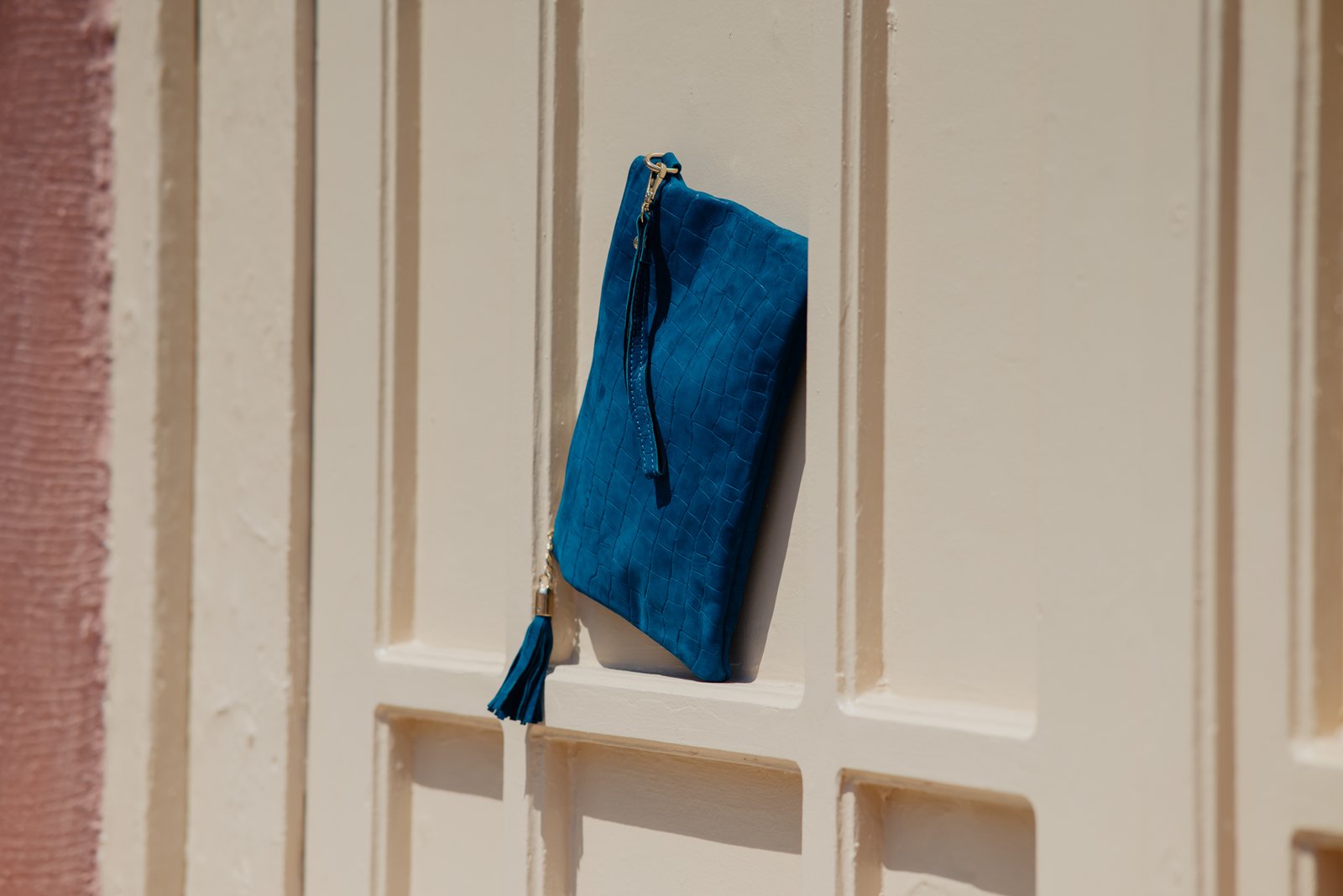
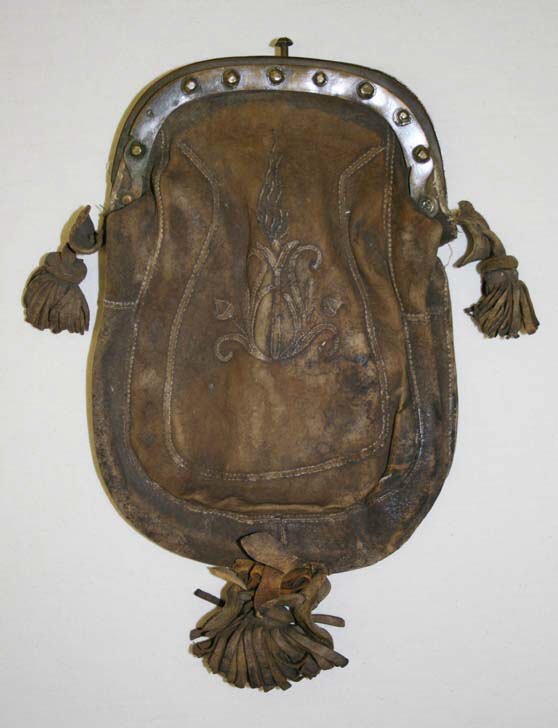
This is particularly evident in the evolution of bags. From simple pouches designed to carry belongings, different sizes and designs emerged, adapted to the needs of each era. Over time, the bag took on another role: it became a personal accessory.
And this evolution continues today. A work bag, a small bag for an evening out or a larger leather travel bag may serve very different purposes, even though they all begin with the same basic need: carrying the things we need with us.
Leather sandals have a history of their own
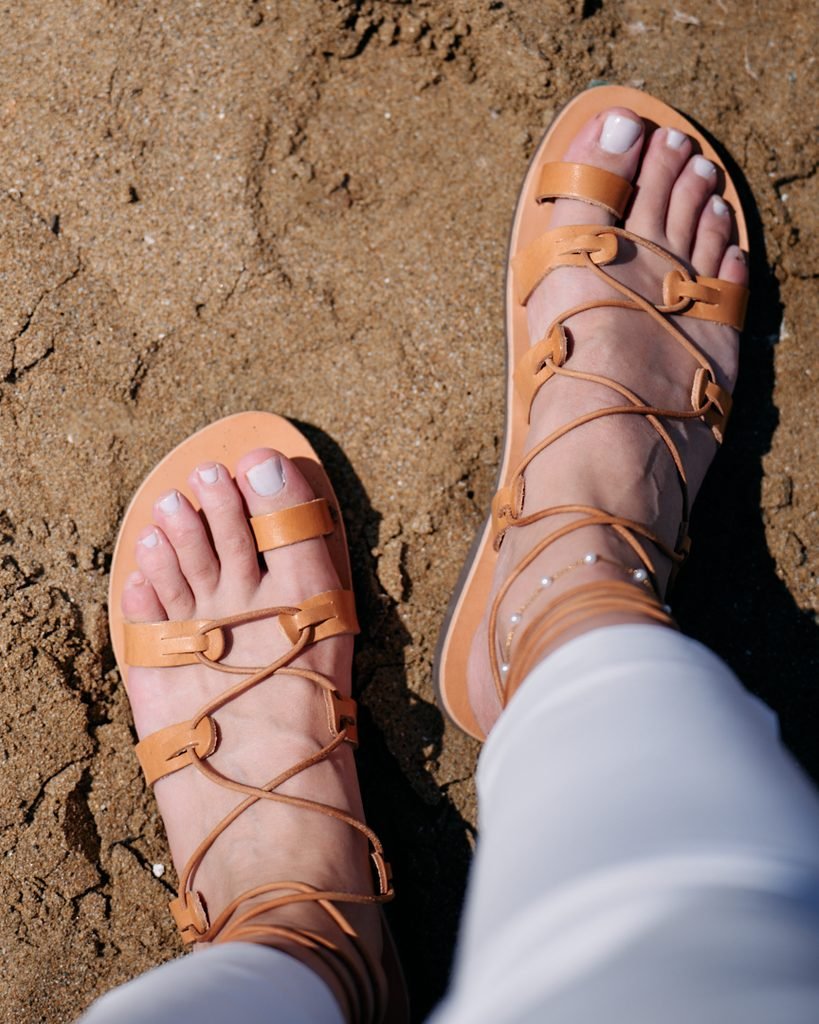
If there is one leather accessory strongly connected to the history and everyday life of the Mediterranean, it is the sandal.
In ancient Greece, sandals were among the most common types of footwear. There were different styles and designs, with leather straps securing the sole to the foot. Not all sandals were the same; they varied depending on their purpose and the period in which they were worn.
And here, there is an interesting connection with the present day.
Just as then, a sandal today can be designed differently depending on how it is going to be used. We choose one style for a full day of walking, another for holidays and another for a more special occasion.
The designs have evolved and trends have changed, but the basic idea behind a leather sandal has remained familiar for centuries.
The Bag: From a Simple Carrying Pouch to a Personal Accessory
The history of the bag is perhaps one of the clearest examples of how a practical object became part of fashion.
The earliest bags were pouches attached to belts, serving mainly one purpose: helping people carry their belongings. Over time, however, their shape, size and method of carrying began to change.
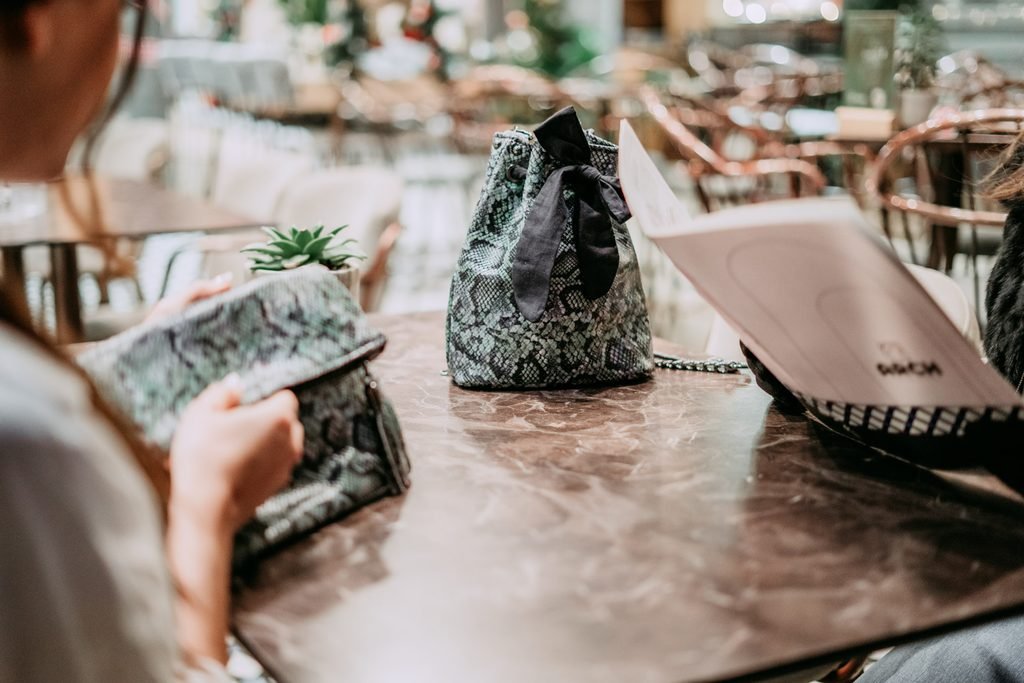
Today, we have countless options. Shoulder bags, crossbody bags, backpacks, small pouches, professional bags and larger travel bags.
We no longer choose a bag simply because we need somewhere to put our belongings. We choose it according to our lifestyle and the way we want to use it.
And leather continues to have a place in all these different forms.
Belts, wallets and the small leather goods we use every day
The presence of leather in our lives is not limited to large bags and footwear.
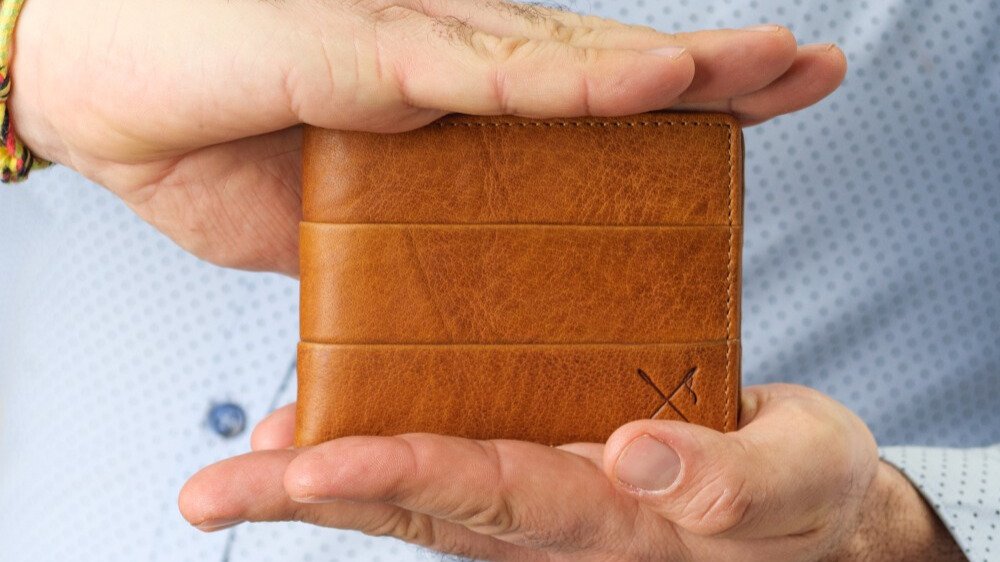
A belt began as a practical item used to secure clothing and carry small pouches. A small leather accessory could be used to carry money or other personal belongings.
As everyday life evolved, these objects changed in both form and function. Wallets became more organized, pouches adapted to new needs, and belts acquired more designs and a different role in the way we dress.
And yet, they still have something in common: they are objects we use every day.
Precisely because they are used so frequently, the durability of the material is particularly important.
Why does leather remain timeless?
Fashion is constantly changing. At times, large bags dominate, while at others, smaller styles take center stage. Colors, silhouettes and trends change from one season to the next.
Leather, however, continues to be there, perhaps because it has never been tied to just one style.
It can become part of a simple everyday accessory, a travel bag, a small wallet or a pair of sandals. The design may change. The way we use it may evolve. But leather’s relationship with the objects of our everyday lives remains.
Leather today
Today, we have more choices than ever before. Different designs, colors, sizes and ways of using the same type of accessory.
We can choose a bag according to our work, a wallet based on how much we want to carry with us, or a pair of sandals depending on how we want to spend our summer.
Although the world around it has changed, leather has simply adapted.
From the first leather objects created for everyday life to the accessories we choose today, leather has come a long way.
And that journey continues.
Because no matter how much trends change, we will always need objects that accompany us through our everyday lives. A bag for the things we want to carry with us, a wallet for the essentials, a belt and a pair of sandals for the days of summer.
Fashion may be constantly changing.
Leather, however, has already proven that it can change its form without losing its place.