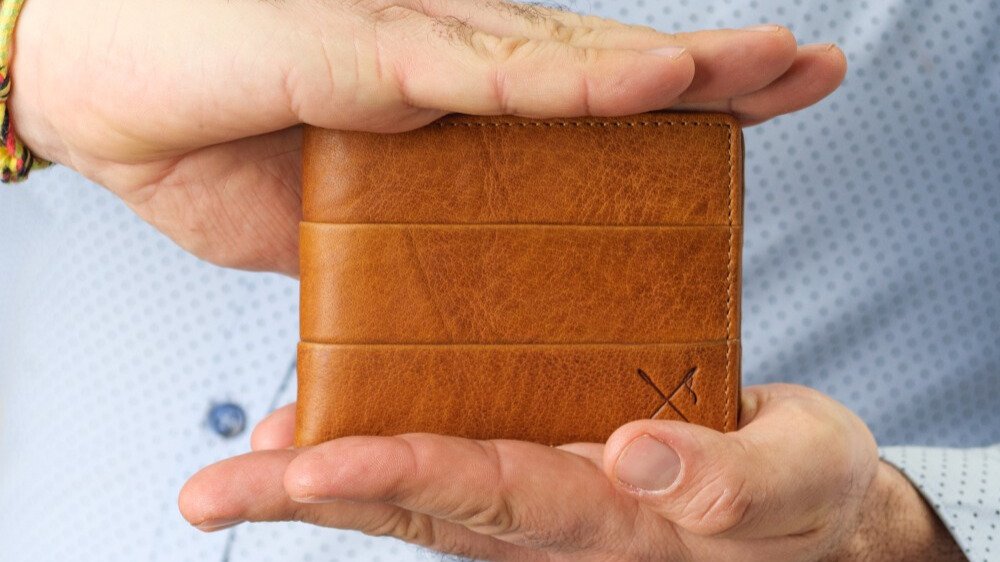
Leather is one of the few materials that gains character the more you use it. Every bag, wallet, belt, or sandal you hold has its own story, and with a little care it can become even more beautiful over time. Proper use and attention to basic care are enough to keep leather healthy and functional for many years.
Basic Cleaning and Proper Storage
The first step in caring for any leather product is removing dust and small stains using a soft cloth or a foam cleaner specifically made for leather. This type of foam, available in most leather goods stores, gently removes dust and gives the material a light shine without damaging it.
Storage is just as important. Leather needs to breathe, so avoid plastic covers or nylon bags that suffocate the material. Ideally, leather products should be stored in a well-ventilated space, away from excessive humidity and heat, so they can maintain their natural texture, color, and elasticity over time.

Care Depending on the Type and Color of Leather
Not all leather is the same, and color plays a significant role in maintenance. Darker colors, such as black and brown, are easier to care for because small imperfections or marks are less noticeable.
On the other hand, natural untreated leather changes with sunlight and gradually develops a warm honey tone. In this case, no creams or cleaning products are needed. If water or another substance falls on it, simply let it dry naturally. On very light or untreated leather, small marks may appear, but these are part of the natural life of the material.
A common myth is that the white marks that sometimes appear on the surface of leather indicate a problem. In reality, this is the natural fat of the animal that rises to the surface when the leather has not dried properly during the factory process. This is not a concern, as foam cleaner can easily remove it.
Experienced leather workers sometimes use other techniques, such as briefly passing a lighter over the surface or applying a very small amount of pure gasoline to prevent the marks from reappearing. However, these techniques are not recommended for non-professionals, as they can damage the leather or cause discoloration.
What to Avoid: The Biggest Enemies of Leather
The biggest enemies of leather are alcohol and oil. Alcohol dries out the material, which is why antiseptic wipes should not be used for cleaning leather.
Oil can leave permanent stains that are difficult to absorb. Water, on the other hand, usually dries naturally and is safe for most dyed leathers, though not for very light or untreated ones.
Leather care does not require excessive treatment. Limited use of cleaning and conditioning products is enough, and leather will continue to improve as you use it.
Leather Sandals and Their Care
Leather sandals, whether for women or men, follow the same philosophy. They do not require special care beyond removing dust or dirt.
Natural use makes them softer and more comfortable, while time and contact with the foot give them character. The important thing is to allow them to dry naturally and avoid contact with chemicals.

The Experience of a Family Workshop
In our family leather workshop in Heraklion, Crete, handmade bags, belts, wallets, and accessories are created with care and attention to detail. The production process follows strict techniques for handling leather so that every product remains beautiful and functional.
Some pieces are unique, limited-production items, and all products go through careful quality control. Our leather goods are designed to accompany their owners in everyday activities, walks, and travels, and to remain durable over time without requiring excessive care.
The Life of Leather Over Time
Leather lives alongside us. It softens, develops patina, darkens, or slightly changes tone, and these characteristics are what give it personality. These changes are not signs of wear, but proof that the product is genuine.
With a little care, leather rewards you with years of durability and aesthetic enjoyment. Caring for leather products does not need to be complicated. A soft cloth, proper cleaning, avoiding chemicals, and correct storage are the only truly essential steps.
If you treat your leather products with respect, they will reward you with durability, comfort, and a unique character that becomes even more beautiful with time.