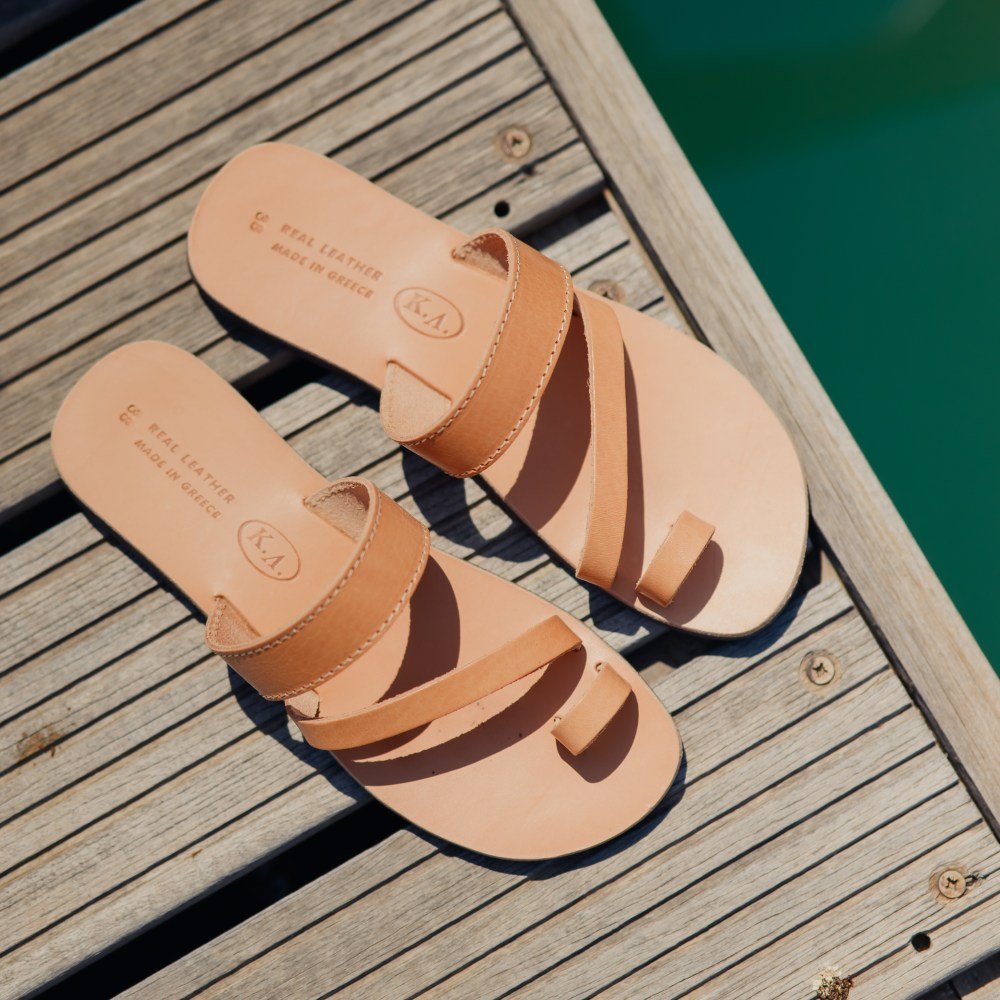
A Guide for Bags, Belts and Wallets
Today, many products on the market look like leather without actually being real leather. Modern manufacturing techniques have improved synthetic materials so much that, at first glance, it can be difficult to spot the difference. This often creates confusion, especially for people who want to invest in a quality bag, a durable belt, or a wallet that will last for years. Genuine leather, however, remains a natural material with unique characteristics that cannot be fully replicated. It is not perfect, it is not completely uniform, and that is exactly what makes it special. With a bit of attention and simple observation, you can recognize whether a product is made of genuine leather or synthetic material, even without expert knowledge.
Genuine leather comes from a natural raw material, and this affects both its appearance and its feel. Each piece has its own texture and character, and over time it changes and matures. Synthetic leather, on the other hand, is an industrial product designed to look the same everywhere and to be mass-produced. The difference between the two is not only about appearance, but also about quality, durability, and the overall experience of using the product.
How to Recognize Genuine Leather by Touch
Touch is one of the most immediate ways to identify whether a product is made of genuine leather. When you hold real leather in your hand, it never feels perfectly smooth. It has a natural texture with slight variations and warms up relatively quickly. It does not feel slippery and does not resemble plastic. Instead, it gives a solid, natural sensation that suggests depth and authenticity. Synthetic leather, even when well made, usually feels colder and overly uniform to the touch. It often feels slippery and gives the impression of an artificial material, something that becomes clear after a few seconds of contact.

How Genuine Leather Looks
The appearance of leather can reveal a lot about its authenticity. Natural leather has small irregularities, pores, and variations on its surface that do not repeat in exactly the same way. Even when it has been treated or embossed with patterns, the texture is never perfectly identical across the entire surface. Each piece is unique, and this uniqueness is a key feature of genuine leather. Synthetic leather, by contrast, tends to look “perfect,” with repeating patterns and complete uniformity, which often reveals its industrial origin.
How to Tell Genuine Leather by Smell
Smell is one of the most reliable ways to identify real leather. Genuine leather has a distinctive natural scent that remains over time and is neither strong nor unpleasant. It is warm and recognizable, and difficult to imitate. Synthetic leather usually smells like plastic or chemicals, especially when new, or sometimes has no smell at all. If you are able to smell the product, this difference can quickly give you a clear answer.
How Genuine Leather Changes Over Time
The way a material behaves with use is perhaps the clearest indicator of whether it is genuine or synthetic. Synthetic leather has a limited lifespan and, over time, often begins to crack, peel, or deteriorate, especially in areas that receive frequent wear. Genuine leather, on the other hand, softens with use and develops a patina. The marks and creases that appear are not considered damage, but part of its natural evolution. A good leather product can be used for many years and still look beautiful, even after heavy use.
How to Tell by the Edges and Finishing
The edges and finishing details of a product can also reveal its quality. In genuine leather, the cut edges are not perfectly smooth, and the natural fibers of the material are often visible. In synthetic materials, the edges tend to look sealed, smooth, and more plastic-like. By closely examining the edges of a belt or the interior of a wallet, these differences often become obvious.
Difference in Weight and Overall Feel
Genuine leather has a natural weight and solidity that you can feel as soon as you hold it. It is not excessively light and gives a sense of quality and substance. Synthetic leather is usually lighter and feels less “full” or substantial in the hand. When comparing two similar products, the difference in weight and overall feel is often noticeable.
Why Choosing Genuine Leather Is Worth It
Products made from genuine leather are not just accessories; they are long-term choices. They are timeless, retain their value, and adapt to the lifestyle of the person using them. A quality leather bag, belt, or wallet can accompany you for many years, gaining character and personality through use. Especially when the product is handmade, the quality and attention to detail become even more evident.
The Key Differences Between Genuine and Synthetic Leather
- Genuine leather has a natural texture and small irregularities, while synthetic leather is completely uniform
- Genuine leather warms up in the hand and feels natural, while synthetic leather remains cooler and more plastic-like
- Genuine leather has a distinctive natural smell, while synthetic leather smells like plastic or has no smell at all
- Over time, genuine leather softens and develops a patina, while synthetic leather tends to peel and deteriorate
- The edges of genuine leather are more irregular and fibrous, while synthetic edges are smooth and artificial
- Genuine leather is more durable and long-lasting, making it a more timeless choice
By understanding these key differences, you can more confidently choose quality products and recognize whether a bag, belt, or wallet is truly made of genuine leather or simply an imitation.